Charming Vintage Fox Illustration: Your Next Design Asset
Understanding the Unique Appeal of This Clipart
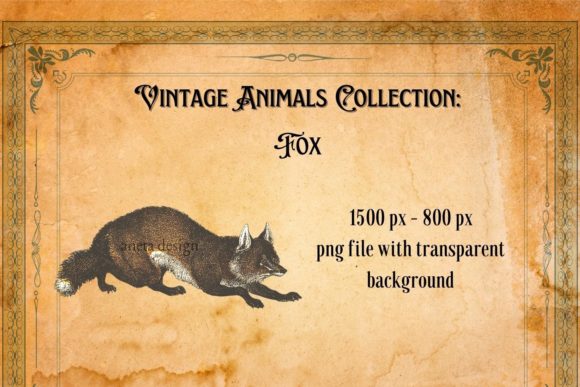
Finding the right design asset can often feel like searching for a needle in a haystack, especially when you need something that feels authentic rather than generated. The Vintage Fox Illustration stands out precisely because it avoids the sterile look of modern vector tracing. Taken directly from a Polish children’s book, this image carries the weight of history and the warmth of traditional printmaking. When you look at the Vintage Fox Illustration, you aren't just seeing a vector shape; you are seeing the texture of ink on paper, likely from a time when illustrations were crafted by hand with significant attention to anatomical detail and artistic expression.
This specific type of artwork falls into the category of ephemera—printed material that was not originally intended to be preserved but holds immense artistic value today. The visual characteristics of this fox are defined by its cross-hatching, stippling, or line work typical of mid-century illustration. These textures create a sense of depth and realism that flat, digital graphics cannot replicate. The "personality" of this piece is whimsical yet sophisticated. It evokes a sense of nostalgia, making it an ideal candidate for projects that aim to build an emotional connection with the audience. For designers and brand strategists, using an asset like this signals a commitment to quality and storytelling, moving beyond generic stock imagery to something with genuine character.
Strategic Applications for Branding and Marketing
For entrepreneurs and small business owners, the versatility of a Vintage Fox Illustration extends far beyond simple decoration. In the realm of brand identity, animal motifs are powerful symbols. A fox often represents cleverness, agility, and adaptability. Incorporating this vintage style into your logo design or packaging can instantly position your brand as artisanal, thoughtful, and creative. It works exceptionally well for organic food brands, children’s education services, outdoor adventure companies, or boutique craft breweries. The illustration acts as a visual anchor, helping to build brand recognition through a distinct and memorable image.
Consider the impact on packaging design. In a crowded marketplace, a product featuring a hand-drawn, vintage aesthetic stands out against the sea of slick, corporate minimalism. The Vintage Fox Illustration adds a layer of perceived value; it suggests that the product inside is handcrafted or curated with care. Furthermore, this asset is not limited to physical goods. In digital environments, such as website headers or social media graphics, the illustration can break the monotony of standard UI elements. It adds personality to a blog sidebar or serves as a compelling visual for a newsletter header, increasing audience engagement by offering a visual treat that feels human and approachable.
Technical Excellence and Practical Usability
A major hurdle with vintage graphics is often technical quality. Old books suffer from yellowing pages, printing defects, and low resolution. However, the creator of this Vintage Fox Illustration has prepared the file specifically for modern printing needs. Receiving a high-resolution 300dpi PNG file is crucial for professional output. This resolution ensures that the image remains crisp and clear whether it is printed on a small business card or scaled up for a large poster. The transparent background is equally vital. It allows the designer to layer the fox over different colors, textures, and backgrounds without the hassle of tedious clipping paths or white box artifacts.
This technical preparation makes the asset highly practical for a wide range of creative applications. For crafters and hobbyists, the transparent background means the image is "print-ready" almost immediately. You can easily place the Vintage Fox Illustration onto a digital template for a t-shirt, a ceramic mug, or a tote bag. For those involved in editorial design, the high resolution allows for integration into zines, book covers, or magazine layouts without losing the integrity of the original ink lines. The image effectively bridges the gap between vintage aesthetics and modern design assets, offering the charm of the past with the technical specifications required by today's printers and screens.
Integrating the Illustration into Your Workflow
When deciding to use the Vintage Fox Illustration, it is helpful to treat it as a focal point rather than a background noise. Because the style is rich in detail, it pairs best with typography that is clean and legible. Avoid using overly decorative script fonts or complex handwritten fonts directly next to the image, as this can create visual clutter. Instead, opt for a sturdy sans serif font or a classic serif font to create a balanced visual hierarchy. For example, a bold, modern sans serif for headlines can provide a striking contrast to the organic lines of the fox, while a refined serif font for body text can complement the illustration's classic roots.
Here are a few practical ways to maximize this asset:
- Teacher Gifts: As noted by the creator, this is perfect for personalized gifts. Use the image to create custom stationery sets, stamps, or heat-transfer designs for apparel.
- Seasonal Campaigns: The fox is a versatile animal associated with autumn and nature. Use the illustration in fall-themed marketing materials, harvest festival flyers, or cozy winter branding.
- Educational Materials: Given the origin of the image (a children's book), it is excellent for creating worksheets, classroom decor, or educational flashcards that need a friendly, approachable vibe.
Ultimately, the value of this design asset lies in its ability to tell a story. By choosing the Vintage Fox Illustration, you are not just adding a picture to your canvas; you are adding a piece of art history that has been thoughtfully digitized for the modern creator. Whether you are a marketer looking to soften a campaign or a crafter looking for the perfect centerpiece, this file provides the quality and charm needed to elevate your project. It is a testament to the idea that good design often looks backward to move forward, utilizing classic aesthetics to create fresh, engaging content.