Charming Vintage Roe Deer Illustration: A Designer's Guide
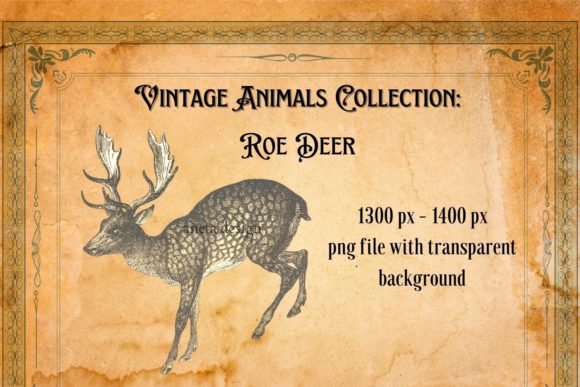
There’s a certain magic in rediscovering art from a bygone era. A Vintage Roe Deer Illustration isn't just a simple drawing; it's a portal to a time of meticulous craftsmanship and heartfelt storytelling. This particular clipart, sourced from an old Polish children's book, carries that specific, gentle charm. It’s more than a digital asset—it’s a piece of illustrated history, carefully prepared for modern creative use. The style is distinctly mid-century, characterized by soft, textured linework and a sense of innocent curiosity in the deer's posture and expression. It feels both nostalgic and timeless, a rare quality that makes it incredibly versatile for today's designers and creators.
The appeal of this creative font alternative lies in its personality. It doesn't shout; it whispers. The illustration evokes a sense of warmth, natural simplicity, and storybook wonder. This makes it a powerful tool for projects that aim to connect on an emotional level, steering clear of sterile, generic graphics. Think of it as a display font made of imagery—perfect for grabbing attention not with bold typography, but with character and narrative depth.
Where This Vintage Illustration Shines
Understanding where to deploy this asset is key to unlocking its full potential. Its strength lies in projects that value authenticity and a handcrafted feel. For brand identity, it’s a natural fit for businesses in artisanal food, sustainable goods, children's education, boutique hotels, or any brand wanting to project a caring, organic, or heritage-oriented image. Imagine it on a logo for a local cheese maker or the packaging for a line of natural soaps—it instantly communicates a story of quality and tradition.
In editorial design and publishing, the Roe Deer adds a layer of whimsy and sophistication. Use it as a chapter opener in a book, a spot illustration in a magazine article about nature or parenting, or as a charming detail in a recipe booklet. For web design and social media graphics, it breaks the monotony of standard stock photos. A well-placed vintage illustration can make a blog post about forest bathing more engaging or give a small business's Instagram feed a cohesive, curated aesthetic that stands out in a crowded digital space.
Practical Applications for Makers and Entrepreneurs
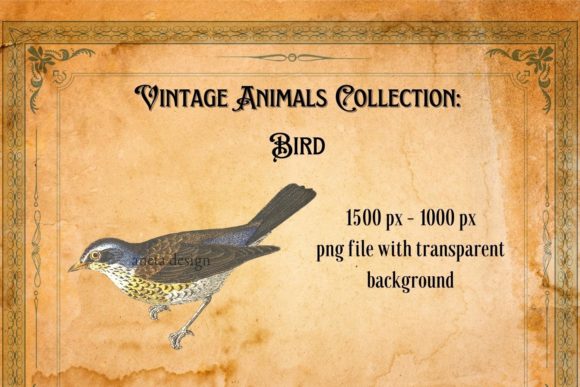
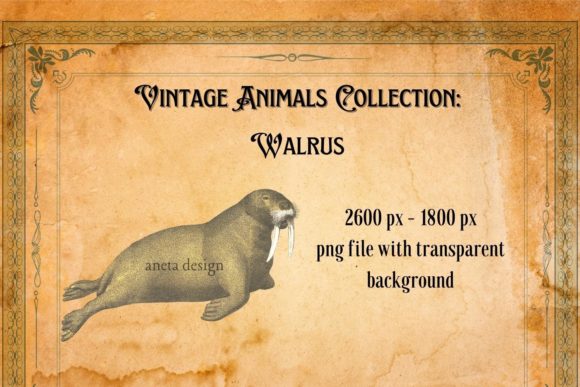
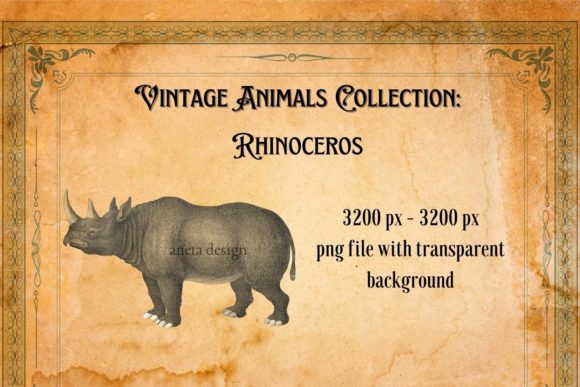
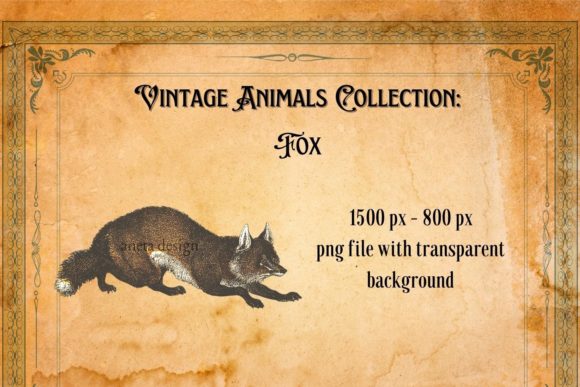
The true test of a design asset is its real-world utility. This illustration is delivered as a high-resolution PNG with a transparent background, making it incredibly easy to layer onto various surfaces. For crafters and small business owners, the applications are immediate and practical. As noted, it’s perfect for creating personalized gifts like mugs, t-shirts, tote bags, and greeting cards. The transparent background means you can drop it onto any color or pattern without fuss.
For marketers and content creators, consider using it in presentations to add visual interest without distracting from the data. It can be a unique element in email newsletter headers, a decorative motif in digital planners, or even a subtle watermark on branded documents. The key is to treat it not as a mere clipart, but as a core component of your visual language, one that consistently reinforces the warm, authentic, and story-driven message you wish to convey.
Integrating the Illustration into Your Design Workflow
Adopting any new design asset requires a bit of strategy. First, evaluate the project fit. Is your audience receptive to a nostalgic, gentle aesthetic? Does the project's tone align with the illustration's personality? If you're working on a cutting-edge tech startup's homepage, this might not be the right choice. But for a community farmers' market poster or a wedding invitation suite, it could be perfect.
Next, consider font pairing. The illustration’s vintage, hand-drawn feel pairs beautifully with specific typefaces. To maintain harmony, pair it with a clean, modern sans serif font for body text, letting the illustration act as the primary decorative element. For a more cohesive vintage look, a simple, sturdy serif font can work well. Avoid overly ornate script fonts or complex handwritten fonts that might compete for attention and create visual clutter. The goal is balance—the illustration should be the star, supported by readable, complementary typography.
Finally, always review licensing. This asset is provided for a wide range of uses, but understanding the terms ensures you can use it confidently in both personal and commercial projects. Taking a moment to test the illustration at the intended scale and on the final background color is a simple but crucial step. Does it maintain its clarity on a busy pattern? Does its delicate line work get lost on a dark background? A quick mockup can save hours of revision later. By thoughtfully integrating this Vintage Roe Deer Illustration, you’re not just adding a picture; you’re weaving a thread of timeless artistry into the fabric of your work, creating something that feels genuinely considered and rich with character.