Bringing Whimsy to Print: The Vintage Kangaroo Illustration
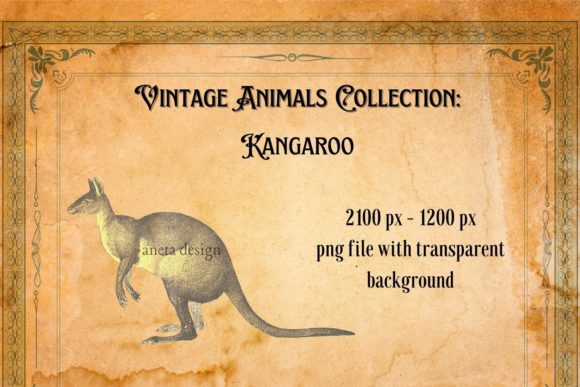
In the realm of design, finding assets that balance authenticity with versatility is a constant challenge. When we talk about the Vintage Kangaroo Illustration, we aren't just discussing a clipart image; we are looking at a piece of history repurposed for modern creativity. Sourced from an old Polish children’s book, this specific illustration offers a distinct mid-century aesthetic that is increasingly difficult to find in stock libraries. It possesses a hand-drawn quality that feels organic and warm, making it an exceptional resource for designers and creators looking to add a touch of nostalgia to their projects.
The visual characteristics of this piece are defined by its linework and texture. Unlike modern vector graphics that can often feel sterile or overly digital, this illustration retains the grain and imperfections of traditional print. It is a creative font equivalent in imagery—meaning it carries as much personality as a display typeface. The kangaroo is rendered with a classic, storybook charm, featuring soft curves and a friendly expression. This style is incredibly effective for projects targeting families, educators, or anyone with an appreciation for vintage aesthetics. It is not merely a picture of an animal; it is a character that can anchor a brand’s visual identity.
Practical Applications for Modern Creators
For entrepreneurs and small business owners, the utility of a high-quality illustration extends far beyond simple decoration. The Vintage Kangaroo Illustration is a premium asset that can be integrated into various facets of a brand identity. Because it is delivered as a 300dpi PNG with a transparent background, it is ready for professional printing immediately. This technical specification is crucial for packaging design, where resolution determines the sharpness of the final product.
Consider the education sector or the niche of teacher gifts. This illustration is perfect for creating custom mugs, tote bags, or t-shirts. Its inherent "storybook" vibe makes it an ideal candidate for merchandise that appeals to educators. In the context of editorial design, this image can break up text-heavy layouts in magazines or blogs, serving as a whimsical spot illustration that draws the reader's eye without overwhelming the content. Furthermore, in social media graphics, unique imagery helps stop the scroll. A vintage-style graphic stands out against the sea of generic, flat-design stock photos, helping to build a recognizable aesthetic for influencers and content creators.
Integrating Vintage Assets into Modern Typography
One of the most common pitfalls in design is mixing eras without a cohesive strategy. When using a vintage illustration, your typographic choices must support the overall mood. You cannot simply pair this kangaroo with a standard system font and expect a professional result. Instead, you should look for typefaces that complement the illustration's era or contrast with it intentionally.
For a harmonious look, pairing the illustration with a serif font or a script font can amplify the nostalgic feel. Think of fonts with slight texture or those inspired by old letterpress printing. If you are aiming for a more contemporary look, a clean sans serif font with generous spacing can create a beautiful tension between the old and the new. This is a common strategy in web design and logo design, where vintage elements are used to humanize modern digital interfaces. The key is to ensure that the illustration does not clash with the font pairing you choose; the image should feel like it belongs in the same family as your text.
Evaluating Fit and Project Suitability
Before incorporating any design assets into your workflow, it is vital to evaluate if the style fits the narrative of your project. Ask yourself: Does my brand voice speak to tradition, warmth, and reliability? If the answer is yes, a vintage illustration is likely a strong fit. However, if your brand relies on hyper-modern, aggressive, or minimalist futurism, this specific style might create cognitive dissonance for your audience.
Readability and visual hierarchy are also important considerations. While this illustration is detailed, it should not compete with your headline text. Use it as an accent—a supporting visual element that adds depth to your layout. In packaging design, for example, you might place the kangaroo on the side panel or the back of the box to maintain a clean front label. This ensures that the product name remains the primary focus while the illustration adds perceived value and charm to the unboxing experience.
Licensing and Professional Usage
For designers working on commercial projects, understanding the licensing of an asset is non-negotiable. The Vintage Kangaroo Illustration is noted for being prepared carefully for printing, which indicates it is intended for professional use. When you utilize premium fonts and graphics, you are investing in the legal safety and quality of your work.
Always review the terms provided by the creator to ensure your specific use case—whether it is for a client’s logo, a print-on-demand store, or internal marketing materials—is covered. By respecting the licensing of these design assets, you support the artists and archivists who curate these vintage treasures, ensuring that high-quality resources remain available to the creative community. This specific clipart serves as a reminder that sometimes the best modern typography